
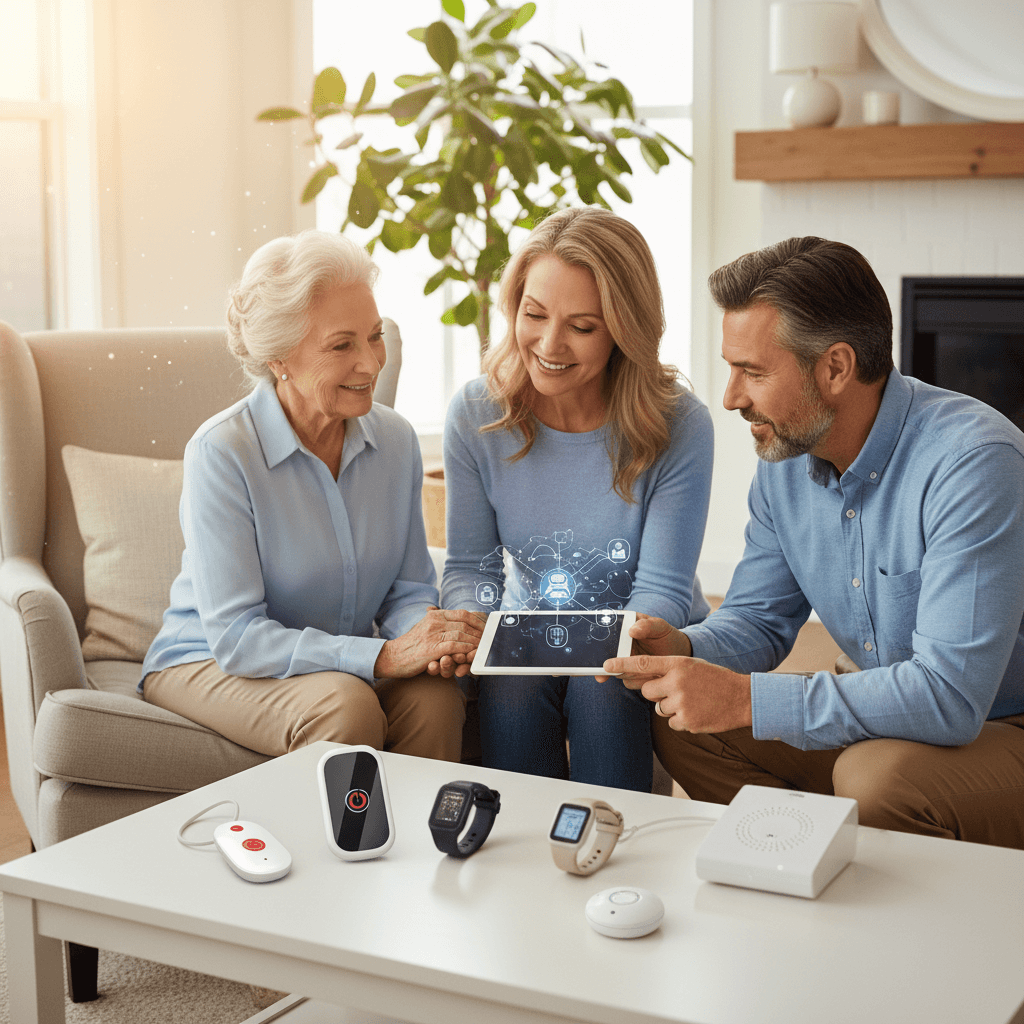
Choosing the right medical alert solution for an aging loved one can feel overwhelming. There are many options and acronyms, and each family has different routines, budgets, and health concerns. This article lays out clear, practical steps to match a specific set of needs with the most suitable device and service.
Whether your parent spends most of the day at home or is still active outside the house, understanding key features, real costs, and everyday usability helps you make a choice that fits their lifestyle. Read on for plain language comparisons, real world examples, and action items you can take this week.
Find The Right Medical Alert Option For Your Aging Loved Ones by listing priorities first
Before comparing devices, write a short list of priorities. Include health factors, mobility level, living situation, and communication preferences. A quick template you can use:
- Mobility level for daily activity
- Existing chronic conditions or fall risk
- Whether the person lives alone
- Phone and internet use comfort
- Budget limits for monthly service
Example: If your loved one uses a walker and spends most of the day inside, a home base unit with a wearable button may be ideal. If they walk for exercise or travel frequently, a mobile option with GPS tracking will likely suit better.
Compare in home medical alert systems with mobile options in plain terms
In home systems connect a base station to a home telephone or cellular network. Wearable buttons or pendants contact a monitoring center when pressed. Mobile systems look like small phones or wearable devices that use cellular networks and GPS to call for help anywhere.
Key differences to weigh
- Coverage area inside a house versus anywhere the person goes
- Battery life and charging routines
- Detection features such as automatic fall sensing
- Price structure for equipment and monthly monitoring
How to evaluate ease of use and everyday routines
Practical use determines whether a device will actually be used. Consider the following questions as you test options with your loved one:
- Can they press the button easily if they are sitting or lying down
- Do they find wearing a pendant or wristband comfortable
- Is one device simpler to charge and remember
- Are spoken prompts clear and at a comfortable volume
Try a short trial with permission
Many providers offer trial periods. Let your loved one wear the unit for a few days and simulate a call for help so they know what to expect. Observe whether they found the device intuitive and whether the monitoring center response matched your expectations.
Check caregiver controls and alert escalation
Ask how alerts are handled. Some services call the person first then contacts a caregiver or emergency services. Other plans notify family members immediately. Choose the escalation path that fits medical needs and family availability.
Assess safety features beyond the button
Not all alerts are created equal. Differences matter when seconds count. Look for:
- Automatic fall detection and its false alarm rate
- Two way voice through the pendant or base station
- Water resistance for shower safety
- Location tracking accuracy for mobile units
Example: A mobile device with GPS can be essential if your loved one enjoys neighborhood walks. In contrast, automatic fall detection may be most valuable for someone with balance issues even if they do not leave home often.
Understand pricing models and hidden costs
Monthly fees, equipment rental or purchase, activation charges, and fees for additional features like fall detection or GPS can add up. Ask providers these specific questions:
- Is equipment included in the monthly fee or is there an upfront purchase required
- Are there fees for setting up or cancelling service
- Are software updates or battery replacements charged separately
- Is there a discount for paying annually
Tip: Create a simple spreadsheet comparing total first year cost and ongoing annual cost for each option so you can see long term value at a glance.
Privacy and data handling matters
Medical alert systems collect location, emergency contact details, and sometimes health events. Make sure the provider explains how they store and share data. Ask for a written privacy policy if one is not easy to find.
Important privacy checks
- Who has access to location history
- How long records are kept
- Whether data is shared with third parties for marketing
Choosing caregiver involvement and response plans
Decide who should be notified first during an emergency and how. Some families prefer a neighbor on a short list that can reach the house quickly. Others want family members alerted immediately then emergency services if there is no response.
- Draft a short emergency plan with contacts and medical info
- Place a printed summary near phones and on the refrigerator
- Schedule regular check ins using the device so family becomes familiar with response times
If you need a side by side explanation to show a parent, this article helps compare in home and mobile systems with clear examples and simple diagrams to print from a phone or computer. For additional reading and a detailed comparison of features and costs you can find out more on that topic.
Real world examples to guide your choice
Case A Consider a widowed parent who spends most days at home and has limited mobility. A base station plus wearable pendant that triggers a live operator and also supports automatic fall detection will cover most needs.
Case B A couple that still travels to appointments and walks in the park benefits from a mobile unit with GPS and long battery life. Make charging part of a morning routine and confirm signal strength in frequently visited areas.
Case C A person with mild memory loss might forget to wear a pendant. In that case a wrist device or an item attached to clothing that is harder to remove could work better. Combine that with a daily check in call through the alert system.
Checklist to complete before you sign up
Before committing, complete this short checklist with your loved one present:
- Test device responsiveness and audio clarity
- Confirm coverage maps for cellular based units
- Read cancellation policy and total fees
- Set up emergency contacts and update medical information
- Schedule a trial period and mark the return deadline on a calendar
Choosing the right medical alert option for your aging loved ones is about matching technology to daily life. A careful approach that starts with priorities and ends with a hands on trial reduces buyer regret and increases the chance the device will be used when needed.
Final thoughts and next steps Summary The right choice depends on mobility, living situation, and how often the person leaves home. Use the priority list at the start of this article and the checklist near the end. Test any device for at least a few days and confirm the monitoring response matches your expectations. If you are ready, pick two finalist options and run consecutive trials to compare real world results. Take action today Set a deadline this week to complete the priority worksheet and contact two providers for trial equipment. Bring your loved one into each step so they feel comfortable and heard. Making a decision now reduces stress later and keeps your family safer. If you want help comparing features side by side or need a printable checklist to take to provider demos I can create one tailored to your situation.